Maths at St Matthias
Vision
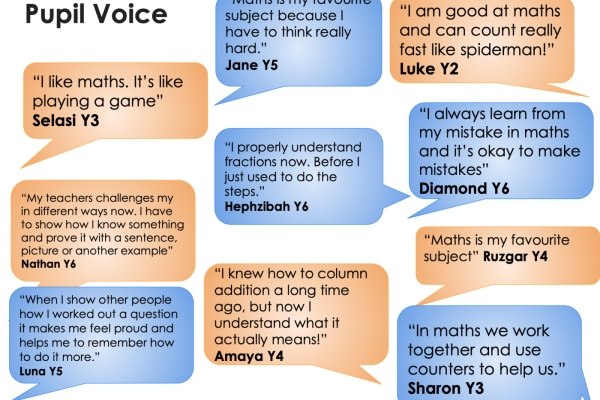
At St Matthias, we believe in the power of maths to change children’s lives. Being a confident mathematician enables children to navigate and solve real-life problems. We are committed to equipping all of our pupils with the necessary knowledge and understanding to succeed mathematically, both in their next phase of education and beyond.
We have designed our maths curriculum with our children’s long-term futures in mind, laying the foundations they will need for future employment and to be financially literate citizens.
As teachers who are passionate about maths, we want our children to know that the maths they learn has the potential to unlock doors in their futures as scientists, engineers and designers. We also believe that, like a love of literature, a love of maths – its patterns and its power – is a fundamental right for all children. We are unwaveringly ambitious for all pupils in our maths curriculum.
When children leave St Matthias to take their next steps as mathematicians, we ensure that they are confident in the three strands of reasoning, fluency and problem solving.
How We Teach Maths
At St Matthias, we follow a mastery approach to teaching maths. Mastering maths means all pupils acquiring a deep, long-term, secure and adaptable understanding of the subject. Maths is taught in mixed attainment groups. The mastery approach means no child is left behind. Responsive teaching and flexible grouping ensures that all children receive the support they need to succeed and all children experience meaningful challenge.
We follow the National Curriculum for maths and use high-quality resources from the National Centre for Excellence in the Teaching of Mathematics (NCETM) to sequence learning so that it builds logically and progressively from the starting points in our EYFS to ambitious end points at the end of Key Stage 2. Each strand of learning follows a clear and coherent sequence of small steps to secure mastery.
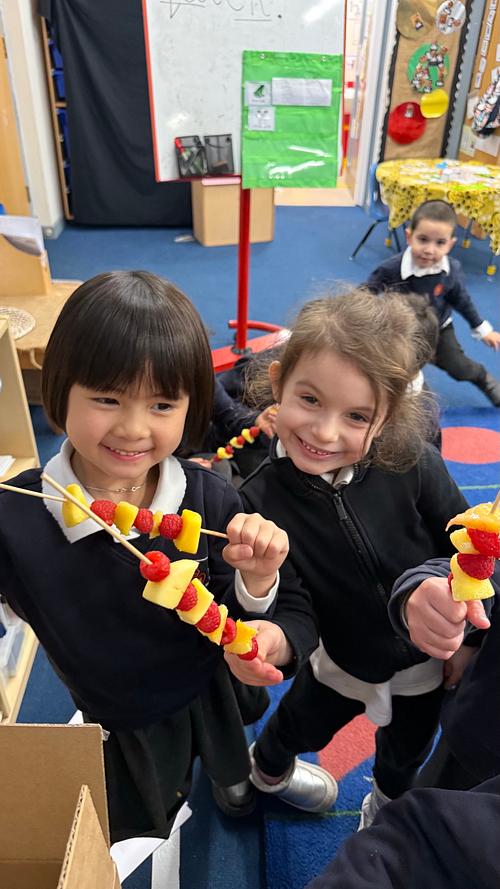
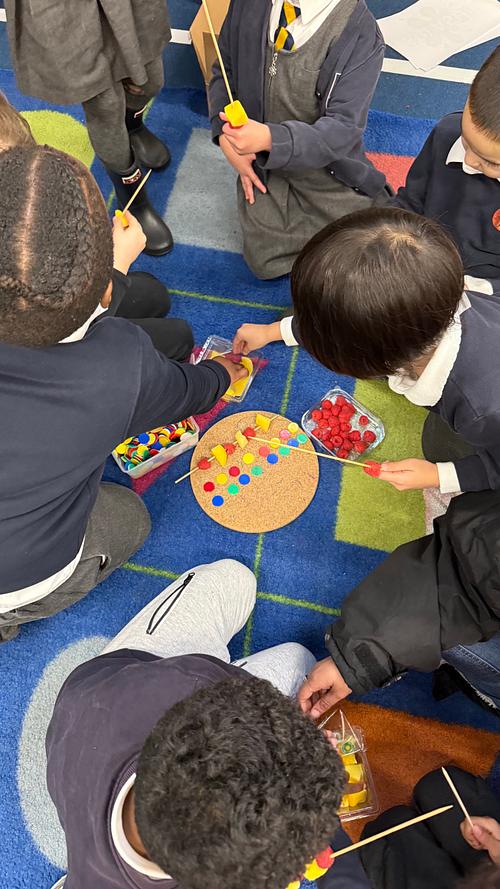
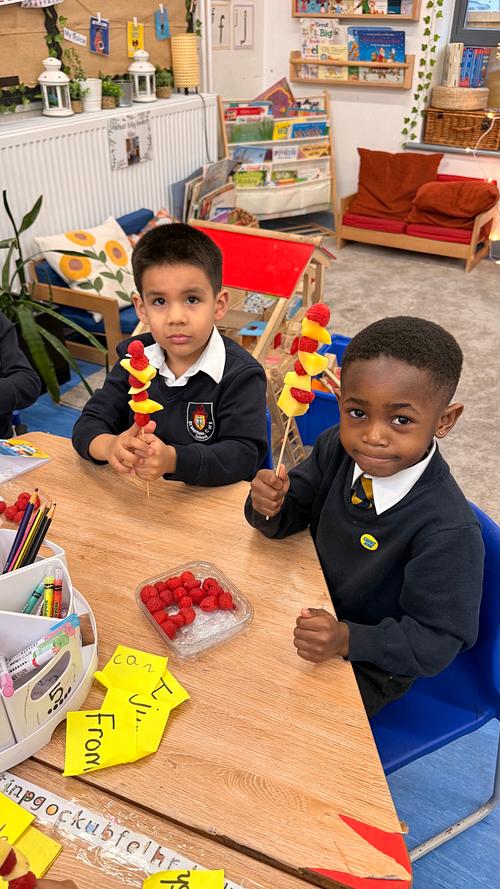
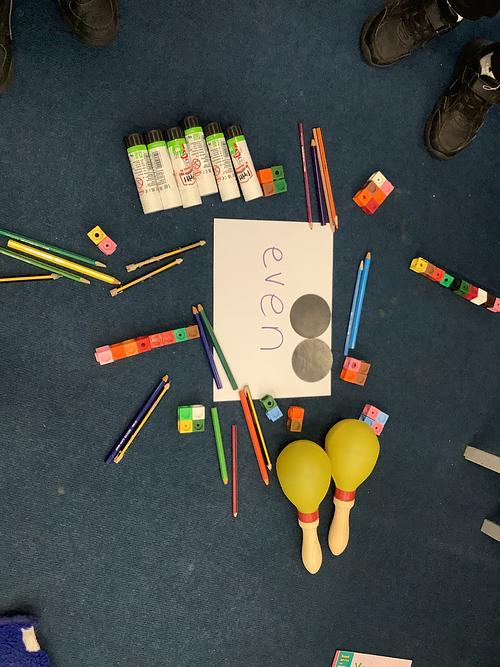
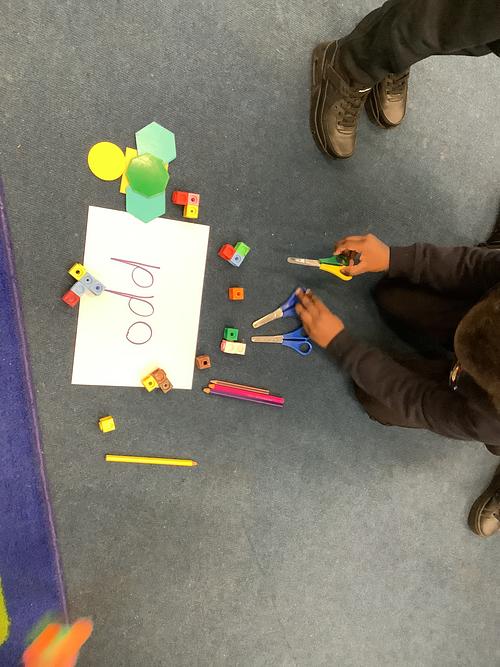
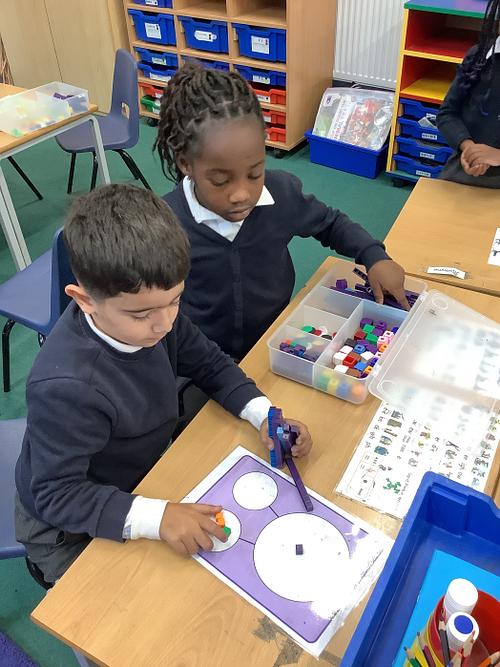
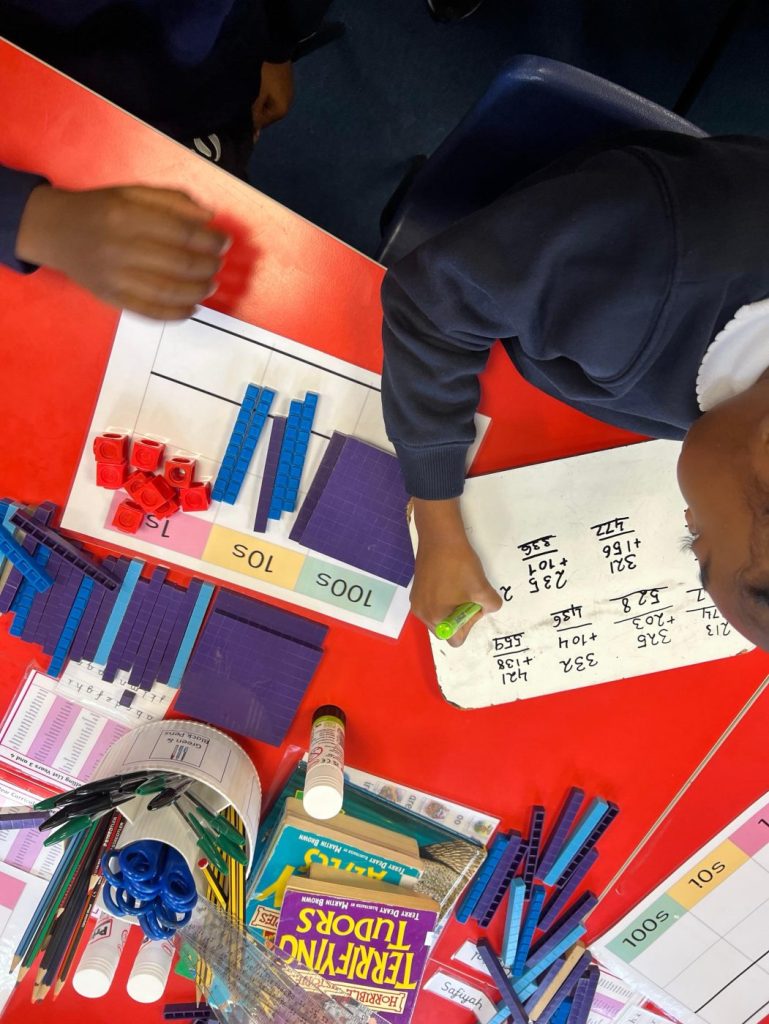
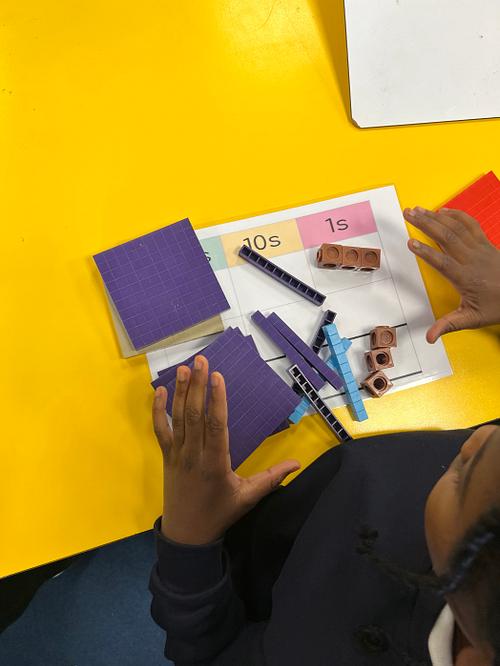
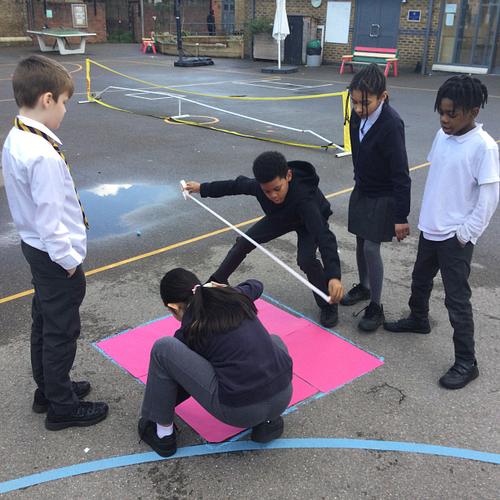
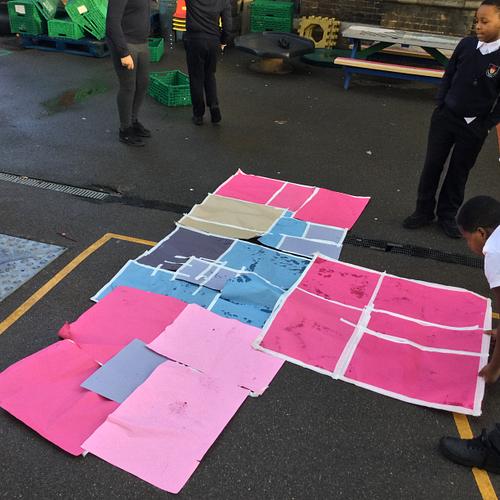
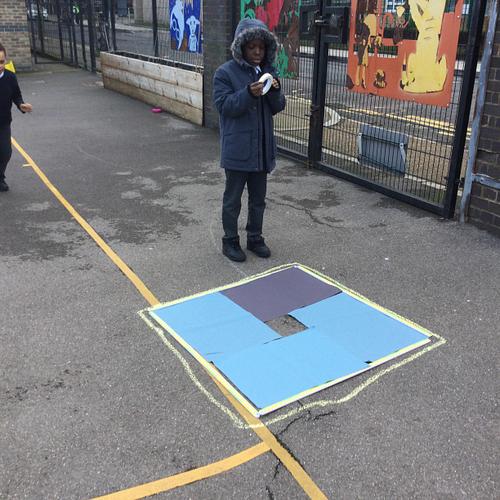
At each stage of our maths curriculum, children use manipulatives like diennes and place value counters to gain a deep understanding of numbers, mathematical operations and processes. Teachers use carefully-selected visual representations (models and images) to ensure children develop deep and flexible conceptual understanding.
We place a high emphasis on high-quality talk and articulation in our maths curriculum. Precise mathematical vocabulary is taught explicitly and children are scaffolded to think and reason using high-quality sentence stems.
Lesson design in maths follows evidence-informed principles. Following high-quality modelling and explanation, children engage with learning tasks with appropriate levels of scaffolding which are faded over time. Teachers use ongoing assessment for learning to respond to misconceptions and errors and to ensure children obtain a high success rate in independent learning before exploring new challenges.
Fluency
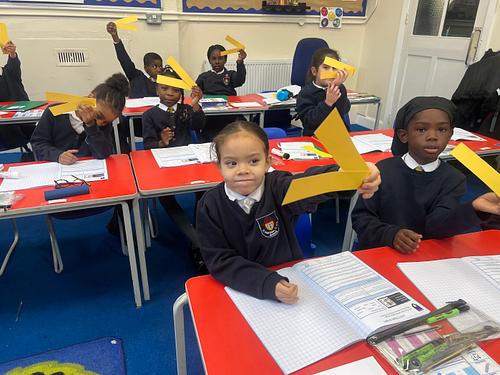
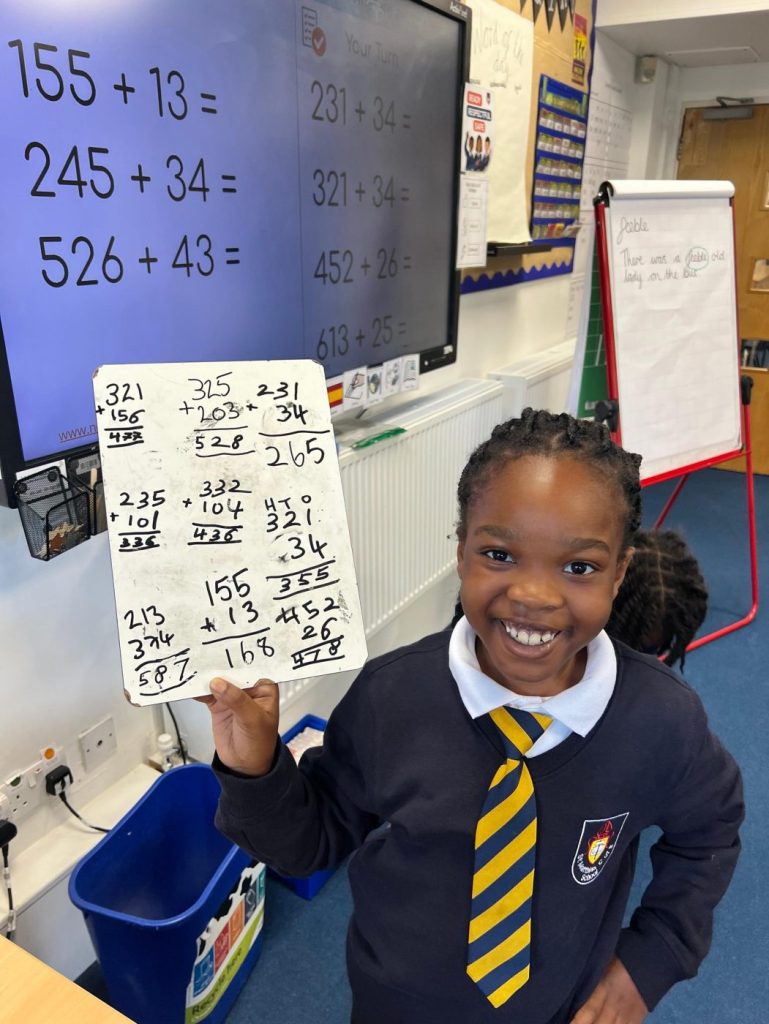
Our curriculum design ensures children develop fluency and automaticity in important number facts. We know that rapid recall of things like times tables and number bonds empowers children to calculate accurately and efficiently and to solve a rich range of problems. All lessons involve a focus on being fluent mathematicians. Fluency practice is varied and engaging. Children complete quick recall activities to practise key facts or use mini-white boards for quick-fire rounds.
Reasoning
Alongside learning key number facts, children learn to reason about their maths. This involves partner talk and having to justify answers using mathematical vocabulary. Being able to say why an answer or method is correct or incorrect shows mastery of an area of maths. It also enables children to better notice and self-correct when they are not on track.
Reasoning also involves pattern spotting and looking for rules and connections. Children are encouraged to look for patterns and links, find mistakes, make generalisations and solve questions in more than one way. Questions and conjectures are celebrated and explored together to work towards a shared understanding.
Problem Solving
Problem solving is an element in all units of maths. Children are given opportunities to apply calculation strategies to real-life problems. Discussion is a key element of problem solving; tackling a problem in different ways is celebrated.
Children learn to think creatively and know that there is no ‘one correct way’ to represent or solve a problem. As mathematicians they must draw on all of their knowledge and skills to decide how best to get started and what to do if their first try does not work. Through problem solving, children develop flexible thinking and resilience: the problems are not supposed to feel easy to solve but they certainly feel satisfying when a solution is finally reached.
Retention and Review
Opportunities to retrieve and review previous steps of learning are built into our curriculum design. Regular review tasks assess what has stuck in children’s long-term memories and expose what may require additional explanation or practice. All new learning is explicitly linked to previous steps so that children make meaningful connections and develop secure schema.
Assessment and Responsive Teaching
Assessment is woven into maths lessons so that teachers have a clear idea of what has been mastered and what each child’s next steps are. Planning is responsive – teachers plan to meet children’s gaps on a daily, weekly and termly basis.
Children may complete quick fluency checks to assess their mastery of a key skill (for example, multiplying and dividing by 10). These take no longer than 5 minutes and children are often able to self-assess to get instant feedback. Review activities are used to revisit learning from previous weeks or terms to ensure that it has ‘stuck’.
As well as formative assessment mechanisms, termly summative assessments inform planning and enable leaders to analyse and respond to emerging trends
Take a look at the exciting maths curriculum that our mathematicians master:
St Matthias Maths Curriculum EYFS
St Matthias Maths Curriculum Year 1-6
How to Help Your Child at Home
Seeing maths as part of everyday life is a great way for children to see the relevance of their maths lessons. Some key ways to support your child are listed below:
Time
Encouraging your child to learn to tell the time (on both digital and analogue clocks) provides them with an invaluable life skill. Discussing journey details and looking at bus and train timetables helps children to see the value of good time-keeping.
Money
With the increase in contactless payment devices, our children are handling less and less real money. Knowing the values of coins and how much change they should expect when paying with cash will empower your child to feel confident budgeting and spending money. Estimating how much several items will cost by rounding their values will help children to stay in budget.
Measurements
Cooking and baking is a hugely enjoyable way to get children confident estimating mass and volume. Feeling the mass of flour in a bag will give children a sense of what a kilogram means and make a connection between 500g and 0.5kg being half of this amount. Reading the volume of milk from a jug will help children to read scales.
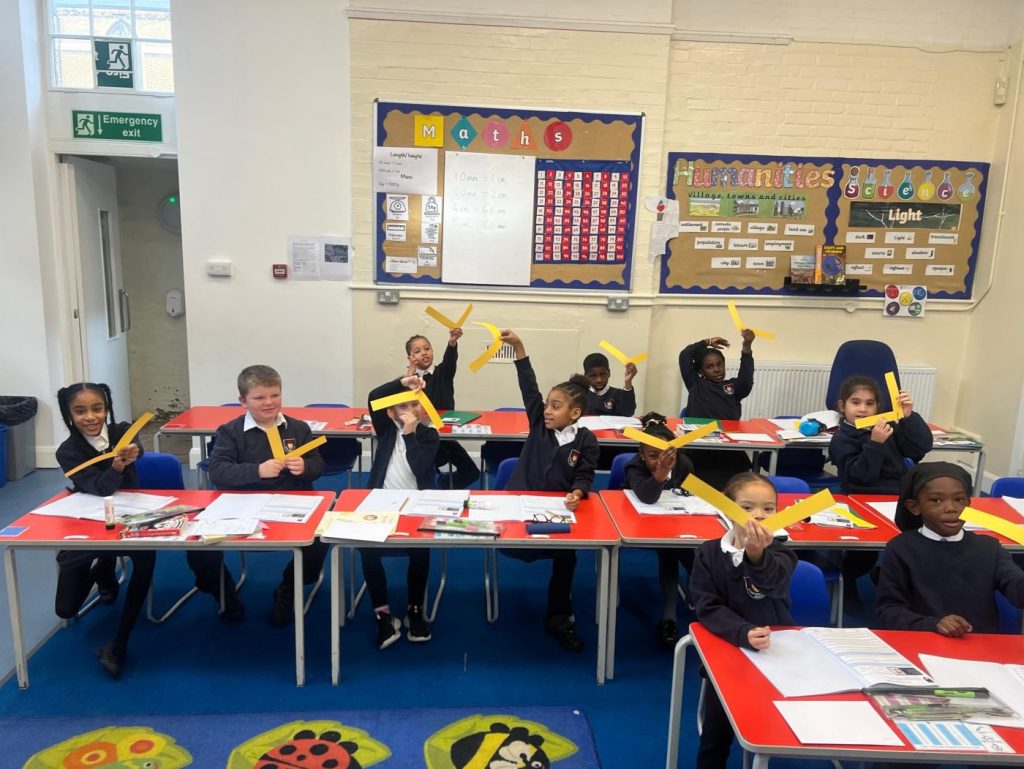
Shape, Patterns and Designs (Geometry)
Shapes surround us and sometimes we don’t even notice. Spotting squares, triangles, rectangles and other polygons in real life can help to strengthen your child’s ability to identify shapes. Counting or calculating how many tiles are on a bathroom wall shows them how area is applied to real life.
Number Fluency
Underlying a real love of maths is a confidence in calculating fluently. When children are freed up by knowing their times tables or number bonds, they can spend more time spotting patterns and exploring. Some key areas of number fluency are:
- Knowing one more and one less than a number
- Knowing times tables to 12×12 (by the end of Y4) including related facts
- Knowing number bonds to 10
- Knowing time conversions: 1h = 60 minutes, ½ hour = 30 minutes, ¼ hour = 15 minutes, ¾ hour = 45 mins, 1 year = 365 days, 1 year = 12 months, 1 day = 24 hours, 1 hour = 60 minutes, 1 minute = 60 seconds
- Knowing measure conversions: 1kg = 1000g, 1l = 1000ml, 1m = 100cm, 1cm = 10mm
- Knowing equivalence in key fractions, decimals and percentages e.g. ½ = 0.5 = 50%, ¼ = 0.25 = 25%

Every, our pupils will be completing the National Curriculum Year 4 Multiplication test. There are 25 questions to answer, with only 6 seconds to record your answer! See how you would do here.
We have invested in subscriptions to the only learning platforms Times Tables Rock Stars (KS2) and Numbots (EYFS/KS1&2). There are fantastic resources that can have a huge impact in improving children’s fluency in learning number facts. Each child has be given their login details for these.